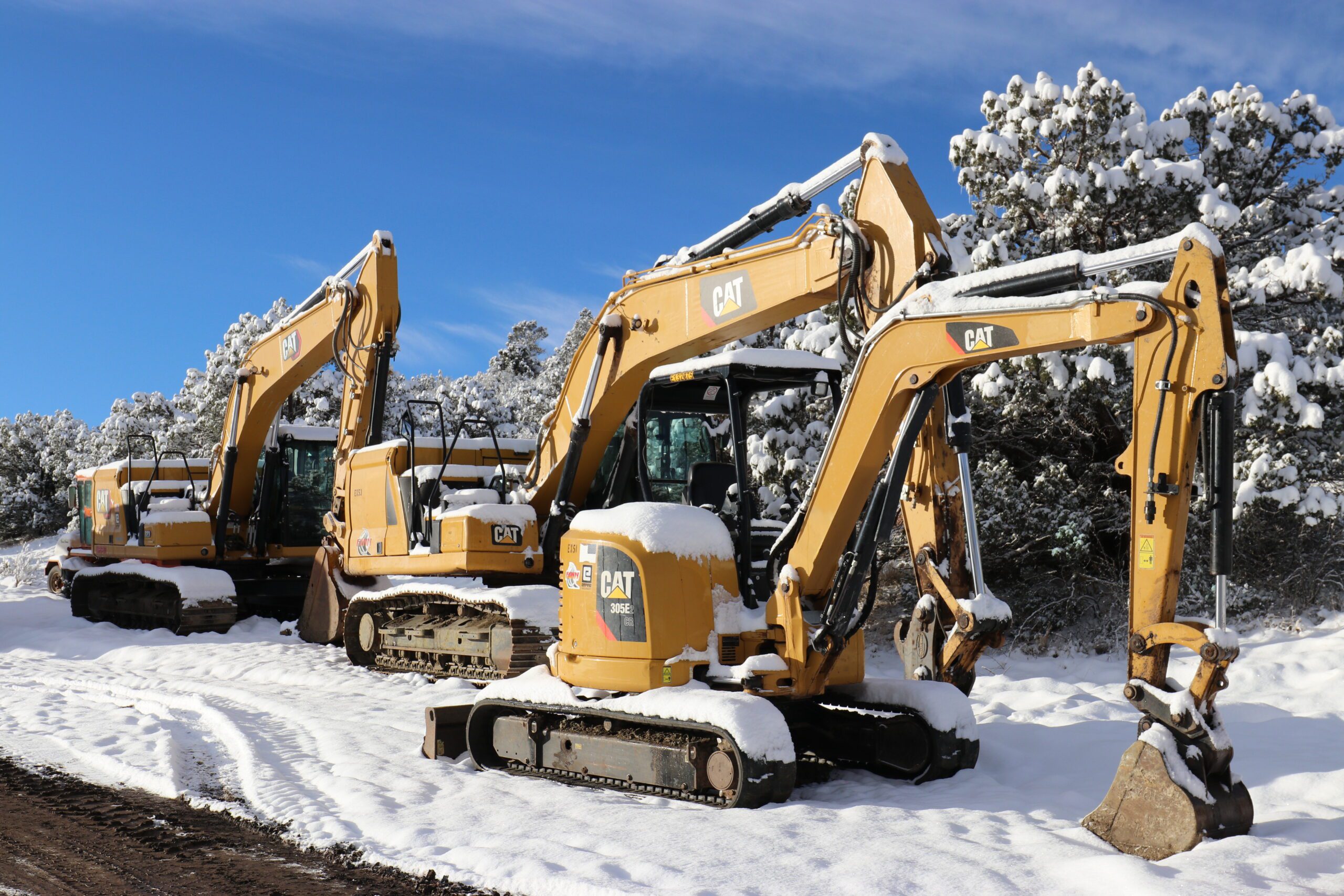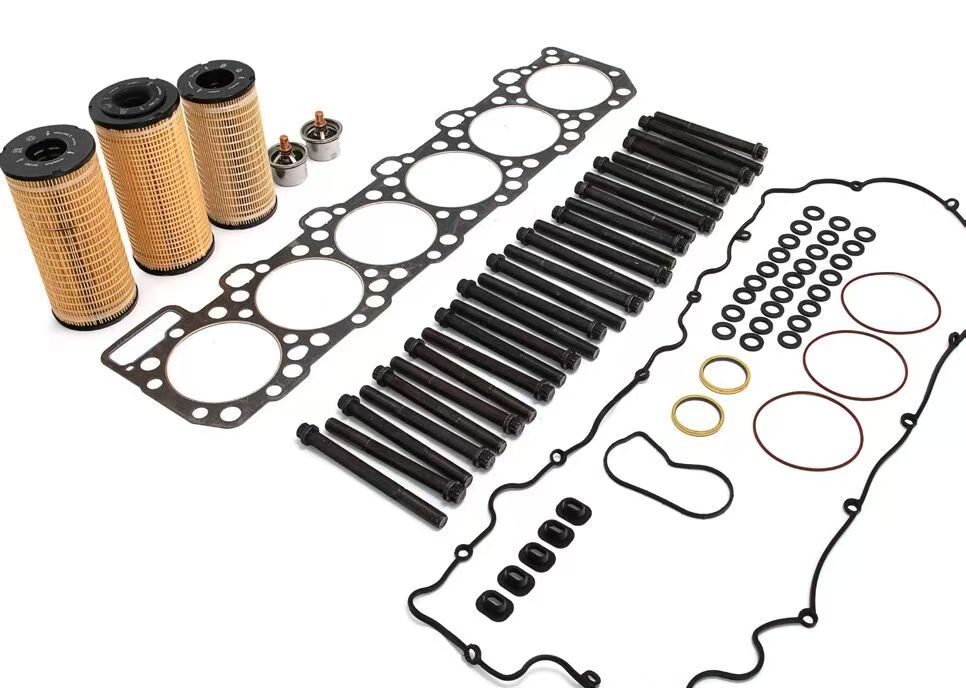
In the procurement of industrial power equipment, CAT and Perkins diesel engine models with the same power are often compared, and many users are confused about how to choose. The core answer lies not in “which is better”, but in “which is more suitable for the usage scenario, cost budget and long-term operation needs“. This article will objectively analyze the differences between the two to help make reasonable selection and avoid problems such as poor adaptability and high later losses.
I. Application Scenario is the Primary Basis for Selection
With the same power rating, the engineering design priorities of CAT and Perkins differ significantly:
- CAT focuses on “durability in extreme working conditions“
- Perkins focuses on “economy and convenience in general scenarios“
This is the primary basis for selection.
(I) CAT: Suitable for Extreme Working Conditions and High-Frequency Heavy Loads
CAT prioritizes long-term structural reliability, with outstanding block rigidity, shock-load resistance, and adaptability to extreme environments—making it ideal for applications requiring high availability and durability:
- Harsh scenarios such as mines and oilfields: High-strength cylinder block + three-stage air filter, with a failure rate 15% lower than that of similar imported brands;
- Heavy-duty construction machinery: Sufficient torque reserve, capable of long-term full-load operation, and high-pressure lubrication during cold start to protect key components;
- High-altitude, extremely cold/extremely hot environments: It can still maintain more than 85% of the rated power at an altitude of 3,000 meters, with excellent cold start performance;
- Overseas large-scale continuous operation projects: A complete global agent network with timely after-sales response.
Core features: Strong wear resistance, sufficient power redundancy, suitable for long-term high-frequency and complex environments, pursuing low failure rate and long service life, but with higher initial purchase cost and heavier body.
(II) Perkins: Suitable for General Scenarios and Light to Medium Loads
Perkins focuses on fuel economy and installation flexibility, offering advantages in specific fuel consumption, routine maintenance accessibility, and compact envelope dimensions for cost-sensitive and medium-duty applications:
- Commercial & industrial standby power: Fast load acceptance and dependable starting for building backup, telecom stations, and municipal utilities;
- Light-to-medium construction & agricultural machinery: Compact dimensions and high power-to-weight ratio for loaders, telehandlers, tractors, and irrigation pumps;
- Standard ambient operating environments: Optimized combustion efficiency and low noise levels for urban and enclosed generator set installations;
- Cost-conscious fleet operations: Accessible modular service points and widely available replacement parts that keep routine maintenance simple and economical.
Core features: Compact footprint, low specific fuel consumption, straightforward modular maintenance, and 15%–20% lower initial acquisition cost compared with heavy-duty alternatives of the same power rating.
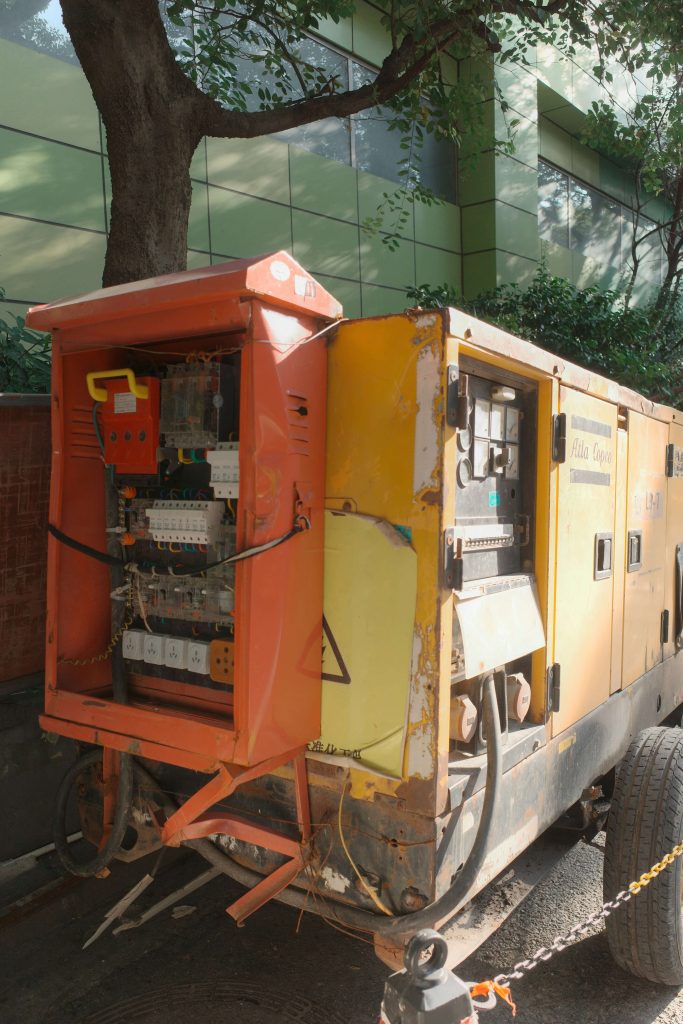
II. Key Difference Comparison of Same-Power Models
Focusing on the three core dimensions of cost, maintenance and performance, the differences between the two are objectively compared for accurate reference:
| Dimension | CAT Same-Power Models | Perkins Same-Power Models |
|---|---|---|
| Cost Profile | 1. Higher initial acquisition cost. 2. In long-term heavy-load operations (> 5 years), total lifecycle cost (TCO) is 25%–30% lower. |
1. Initial purchase cost is 15%–20% lower than CAT. 2. Superior lifecycle cost-effectiveness in light-to-medium load scenarios (< 1,000 operating hours/year). |
| Maintenance | Extended overhaul intervals up to 2,500 hours on select series; heavy-duty structure requires specialized tooling and trained technicians; low failure rate under continuous full load. | Standard maintenance intervals around 2,000 hours; modular design allows straightforward servicing by general mechanics; single service cost is 10%–15% lower than CAT. |
| Performance & Fitment | High torque reserve and power redundancy for sudden shock loads; meets global emission tiers; engineered for large machinery and extreme altitude/temperature environments. | Smooth power delivery with optimized fuel economy; meets global emission tiers; compact dimensions and versatile mounting for small-to-medium OEM equipment. |
III. Selection Conclusion
1. Evaluate Application Scenario & Load Profile
- Long-term heavy load, harsh environment → CAT;
- light to medium load, general scenario → Perkins;
2. Calculate Total Lifecycle Cost & Service Horizon
- sufficient budget, service life ≥ 5 years → CAT;
- Limited budget, service life < 3 years → Perkins;
3. Assess On-Site Maintenance Capability
- With professional maintenance team and after-sales coverage → CAT.
- General maintenance, inconvenient access to spare parts → Perkins;
IV. Selection Pitfall Avoidance Guide
- Do not blindly focus on the initial price and ignore the total life cycle cost, so as to avoid waste caused by choosing Perkins for long-term heavy loads and Cat for light loads;
- Do not assume that the performance of models with the same power is consistent, so as to avoid shortening the service life or wasting power by using Perkins in mines and Cat in small equipment;
- Do not ignore maintenance capacity and after-sales coverage, so as to avoid affecting the attendance rate due to insufficient maintenance of Cat and shortage of spare parts of Perkins.
V. Conclusion: No “Optimal”, Only “Most Suitable”
- CAT is a durable choice for extreme working conditions, suitable for long-term heavy loads and complex environments;
- Perkins is a cost-effective choice for general scenarios, suitable for light to medium loads and limited budget needs.
The core of selection is to combine your own scenario, budget and maintenance capacity, balance initial investment and long-term cost, and maximize equipment value.