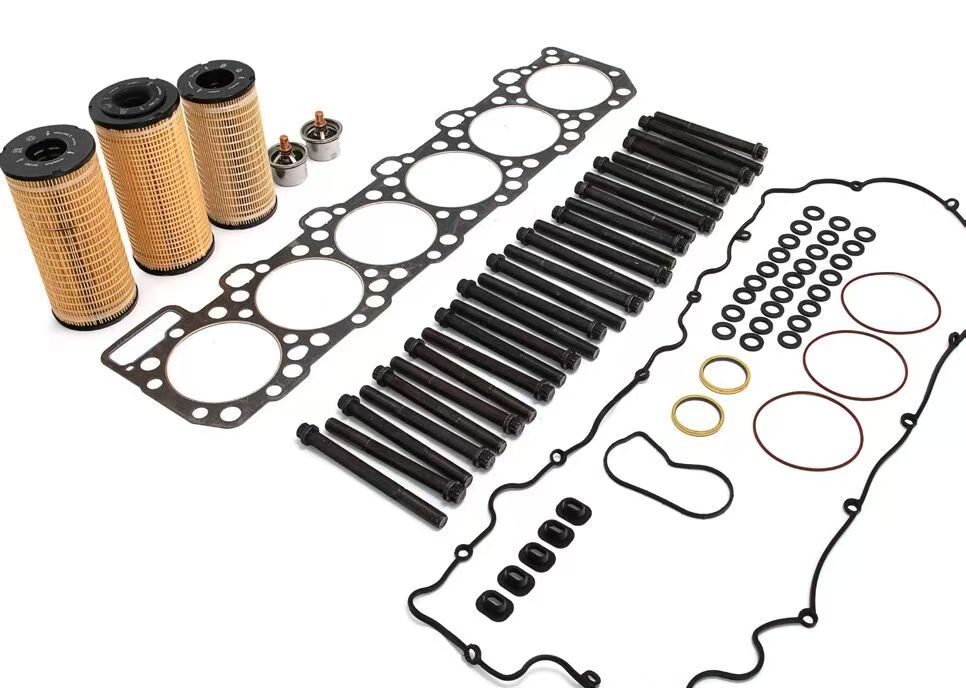
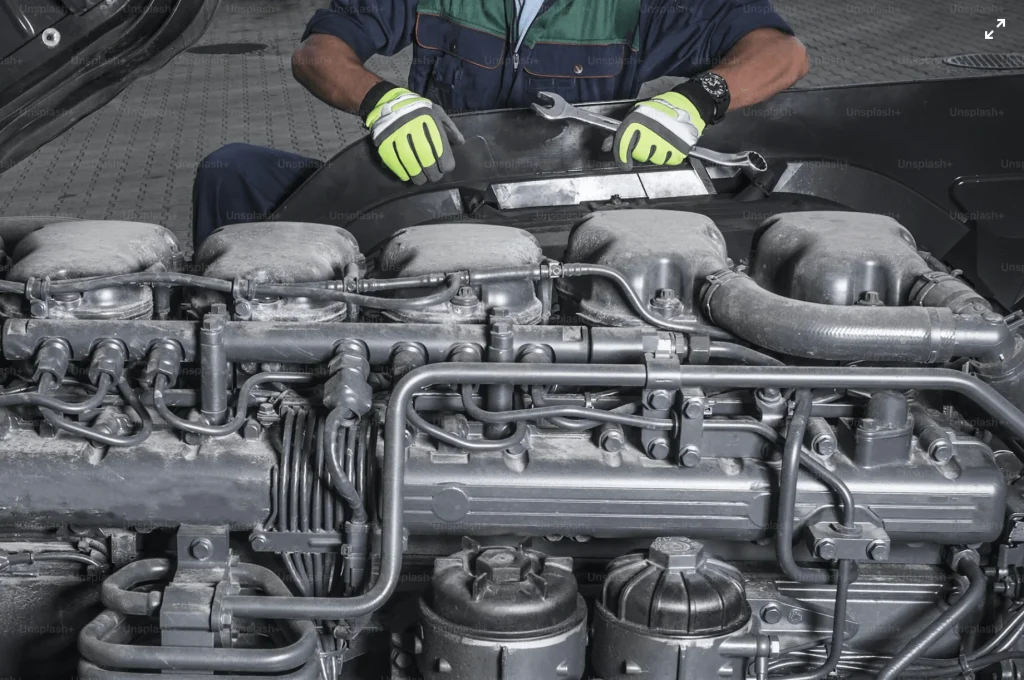
For industries relying on heavy equipment, unexpected diesel engine faults cause costly unplanned downtime—many serious issues (e.g., cylinder scuffing, turbocharger damage) stem from neglected minor problems like clogged fuel filters or slight coolant leaks.
Written for equipment managers, operators, and maintenance teams, this guide helps you quickly diagnose the 10 most common faults, perform safe quick repairs, and build preventive maintenance strategies.
It breaks down high-frequency issues (starting difficulty, power loss, abnormal exhaust smoke, etc.) with clear troubleshooting steps, promoting a shift from passive repair to proactive prevention to protect equipment attendance, extend engine life, and control total operating costs.
10 Most Common Diesel Engine Faults and Quick Fixes
The following table summarizes the 10 most common diesel engine faults, including their urgency levels, key symptoms, common causes, and practical quick fixes for quick reference and on-site operation.
| No. | Diesel Engine Faults | Urgency Level | Common Causes | Quick Fix |
|---|---|---|---|---|
| 1 | Engine Hard to Start or Will Not Start | Medium to High |
– Weak battery (low voltage/poor connections) – Air in fuel system – Clogged fuel filter – Faulty fuel injectors or glow plugs – Defective starter motor |
1. Verify battery & starter first: Check/charge/replace battery; clean terminals. 2. Bleed air from fuel system. 3. Replace fuel filter. 4. Test glow plugs only for cold start issues; test injectors. |
| 2 | Engine Overheating Quickly | High |
– Low coolant level – Dirty/blocked radiator or cooling fins – Faulty water pump or thermostat – Cooling fan malfunction (belt, clutch, motor) |
1. Stop engine immediately if temperature is critical. 2. Top up coolant (check for leaks). 3. Clean radiator & cooling fins. 4. Check/replace thermostat. 5. Inspect water pump & fan belt/clutch. |
| 3 | Low Oil Pressure Warning | High |
– Low engine oil level – Clogged or poor-quality oil filter – Thin/contaminated oil (diluted, degraded) – Worn oil pump or pressure relief valve – Faulty oil pressure sensor (false alarm) |
1. Stop engine immediately to prevent damage. 2. Check & top up engine oil. 3. Inspect oil condition; replace oil & filter if needed. 4. Check sensor & wiring. 5. If above steps fail, shut down and arrange professional inspection of oil pump. |
| 4 | Black, White, or Blue Smoke from Exhaust | Medium |
– Black Smoke: Rich mixture, clogged air filter, faulty injectors, turbocharger issue – White Smoke: Unburned fuel (cold) or coolant leakage (head gasket leak) – Blue Smoke: Burning engine oil (worn rings, valve seals, turbo seal leak) |
1. Identify smoke color first. 2. Black: Replace air filter; check turbo & injectors. 3. White (persistent): Check coolant level & leaks first; if no external leak, suspect combustion gas in coolant (serious internal leak, e.g., head gasket failure). 4. Blue: Check oil level; inspect turbocharger for leaks; consider internal wear. |
| 5 | Lack of Power Under Load | Medium |
– Air System: Clogged air filter, turbocharger fault – Fuel System: Clogged fuel filter, faulty injectors, low pressure – Exhaust System: Blocked DPF/catalytic converter – Control: Incorrect timing, sensor faults |
1. Check for boost pressure & exhaust backpressure. 2. Replace air & fuel filters. 3. Inspect turbocharger (boost, wastegate). 4. Test/clean/replace fuel injectors. 5. Perform forced DPF regeneration or clean. |
| 6 | Engine Surging or Hunting at Idle or Load | Low to Medium |
– Air in fuel system (leaks, loose fittings) – Unstable injector performance – Clogged fuel filter or failing lift pump – Faulty sensors (crankshaft, camshaft, rail pressure) or ECU issue |
1. Ensure stable fuel supply first. 2. Bleed air from fuel lines. 3. Check fuel pressure; replace fuel filter. 4. Clean/test fuel injectors. 5. Scan for fault codes; check sensors & wiring. |
| 7 | Coolant Loss or External Leaks | Medium-High |
– Damaged hoses / gaskets (especially head gasket) – Leaking water pump (seal or bearing) – Cracked radiator or coolant reservoir – Internal leak (into combustion chamber or oil) |
1. Check coolant level & inspect for leaks (cold engine). 2. Never open hot radiator cap. 3. Pressure-test cooling system to locate leak. 4. Replace damaged hoses, gaskets, or water pump. 5. Check for oil contamination or white exhaust smoke (indicates internal leak). |
| 8 | DPF Regeneration Failure or Blocked DPF | Medium |
– Frequent short trips / long idling (incomplete regeneration cycles) – Low exhaust temperature – Poor fuel quality (high ash content, incorrect cetane rating) – Faulty sensors (differential pressure, temperature) – Loose fuel line connections (from tank to high-pressure pump) |
1. Drive at sustained highway speed (if possible). 2. Perform parked regeneration via service tool. 3. Check for related fault codes (e.g., pressure sensor). 4. Clean or replace severely blocked DPF as last resort. |
| 9 | Air Entering the Fuel System | Low-Medium |
– Worn seals / O-rings (on filter housing, primer pump) – Damaged fuel filter housing or cracked lines – Empty fuel tank (sucks in air) |
1. Bleed air from the fuel system as first step. 2. Tighten all fuel line connections. 3. Replace worn seals and O-rings. 4. Prime the fuel system thoroughly after service, and ensure no fuel leaks before restarting. 5. Ensure fuel tank is adequately filled. |
| 10 | Abnormal Engine Noise: Knocking, Rattling, Ticking | Medium |
– Fuel-related knock: Faulty injectors, poor fuel quality – Mechanical knock/rattle: Worn bearings (rod, main), loose components – Ticking: Valve train issues, low oil pressure – Turbocharger noise (bearing wear, blade contact) |
1. Identify noise type and source location. 2. Tighten loose external bolts and covers (e.g., valve cover, oil pan) as a simple first check. 3. Test fuel injectors for abnormal operation. 4. Check engine oil level and pressure immediately. 5. Inspect turbocharger for shaft play or damage. |
Key Maintenance Tips
To reduce downtime and extend diesel engine life, follow these practical maintenance tips based on the common faults above:
1. Daily Check
Conduct pre-start inspections (oil level, coolant, battery, exhaust smoke) to detect 80% of early hidden dangers.
2. Periodic Consumable Replacement
Regularly replace core consumables (oil, fuel/air/oil filters) to ensure engine performance and prevent filter-related faults.
3. Professional Fault Diagnosis
Seek professional help for recurrent faults, power loss, or abnormal noise to avoid secondary damage.
Conclusion
Most diesel engine failures stem from neglected minor issues (clogged filters, degraded fluids, worn parts). Shifting to proactive preventive maintenance is key to controlling TCO and maximizing efficiency.
Prioritize high-urgency faults (overheating, low oil pressure) to avoid irreversible damage. A detailed equipment health file helps optimize maintenance cycles. For professional support or quality parts (injectors, turbochargers, filters), our team is ready to assist.